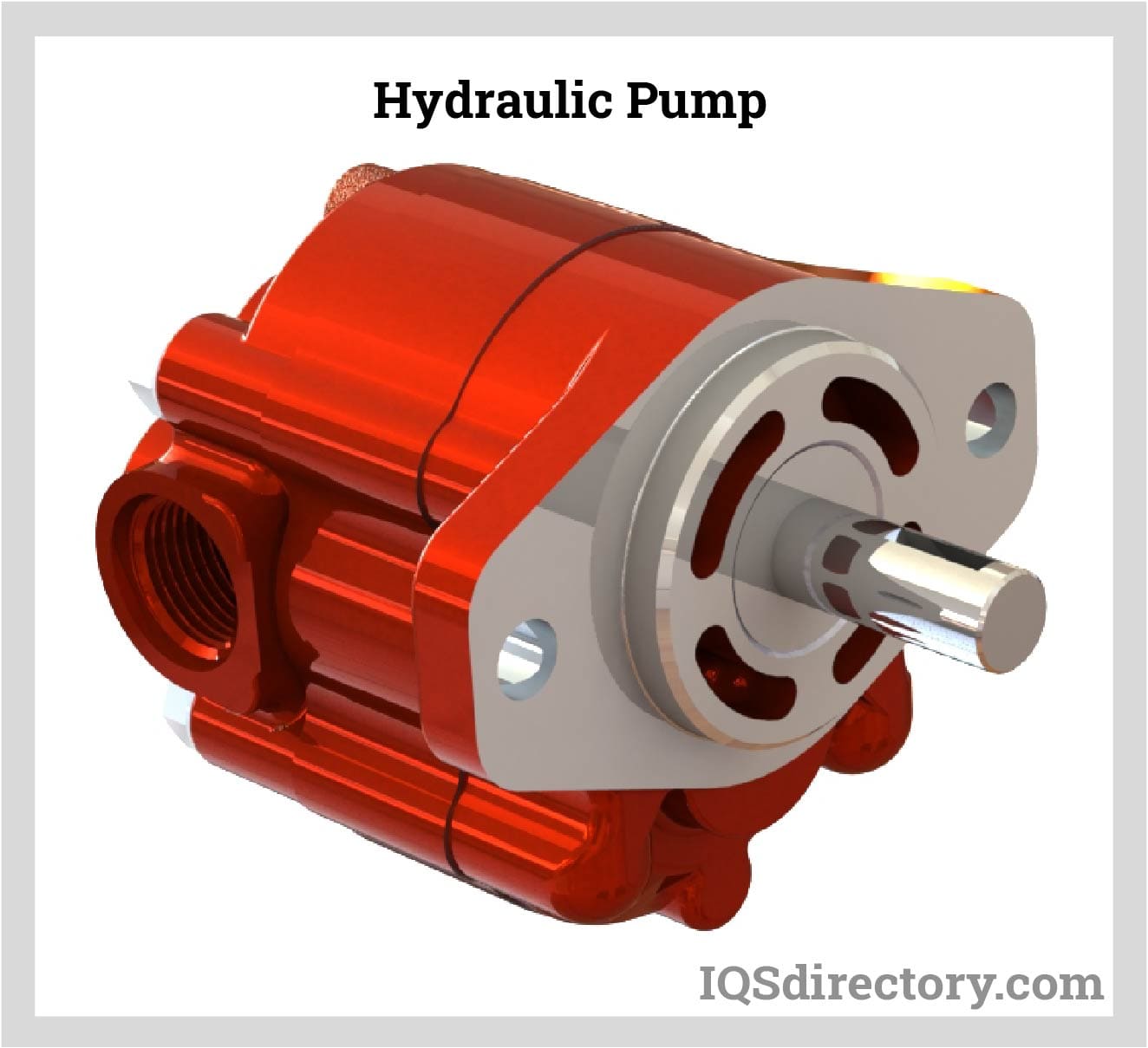
An electric hydraulic pump is a device that converts mechanical energy into hydraulic power (hydrostatic power, such as pressure and flow). The generated flow is adequate to counteract the pressure at the pump’s exit brought on by the load. An electric motor propels the electric hydraulic pump. Read More…
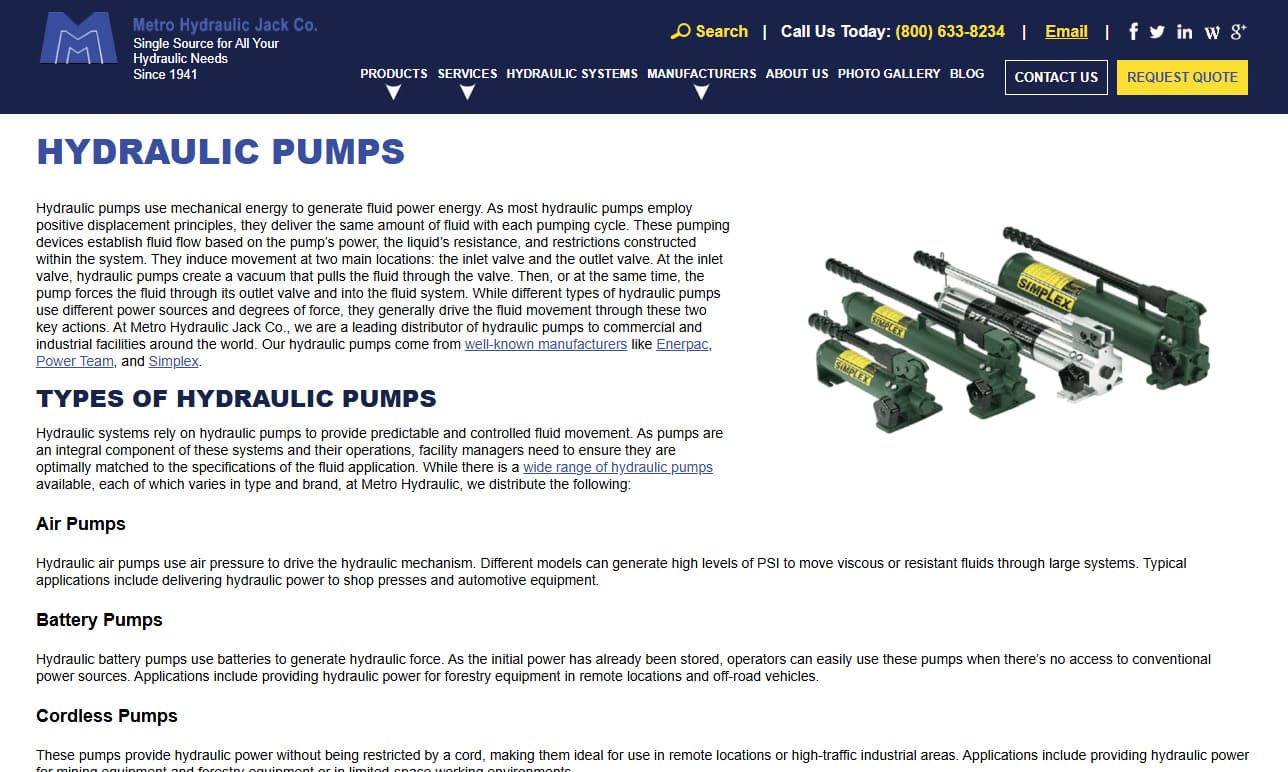
Here at Metro Hydraulic Jack Co. we manufacture hydraulic solutions for a number of markets including: agricultural, municipal, construction, mining and transportation. Our company has an extensive history of engineering success. If you are unsure what hydraulic products are best for your task then just let one of our representatives know your application and we can handle the rest!

Established in 1972, Hyseco specializes in hydraulic & fluid power products. We provide numerous products including hydraulic pumps, cylinders, motors and power units. Our field service operates 24/7 and serves all industries. Visit our website for more information regarding our products as well as the capabilities we offer. Thank you for considering Hyseco.

Hader Industries is a manufacturer of hydraulic components. We custom-engineer hydraulic cylinders, valves and accumulators for mobile equipment. We have been servicing various industries for over 70 years. If you have any questions about our products or services then please give us a call today to learn more!

At International Fluid Power of America, we take pride in delivering hydraulic solutions that keep industries moving with strength and precision. Our expertise centers on hydraulic pumps, which we design, supply, and support to ensure optimal performance in demanding applications.



More Electric Hydraulic Pump Manufacturers
Most pumps have internal pumping systems that resemble gear or lobe structures and are normally operated at slow speeds. Direct current (DC) or alternating current (AC) motors may power the electric hydraulic pump, depending on the application's particulars. The motor and pump usually work together as a single unit with no external shaft runs and a flange-type coupling.

Electric hydraulic pumps are generally categorized into single-acting and double-acting electric hydraulic pumps. A load weight or an internal spring is used to retract single-acting cylinders after they have been stretched by pump pressure alone. Hydraulic power is used to extend and retract a double-acting cylinder.
Examining the number of ports is a quick and easy technique to differentiate between different cylinders. A plug-in hydraulic cylinder will have one port for a single-functioning cylinder. Two ports are on a double-acting cylinder. The "push" (extension) hydraulic hose fitting will connect to the first port, while the "retract" hydraulic hose fitting will link to the second port. The single-acting hydraulic pump is intended to be placed horizontally for quick oil discharge. The reservoir won't crack or leak thanks to the double-acting lift's strength, swift lifting ability, and long-term use design.
Electric Hydraulic Pump Working Principle
An electric hydraulic pump creates the hydraulic system's flow. It's a common misconception that the pump creates pressure in a system; however, pressure is typically created by multiplying the flow rates, typically expressed in gallons per minute. Therefore, only flow is produced by this pump. The amount of liquid that can flow depends on the pump's size and speed. The displacement principle governs how an electric hydraulic pump operates.
A hydraulic pump's suction and discharge section have several check valves. The liquid is pumped into the remainder of the system through the output check valve after being pushed into the pump by the inlet check valve from the reservoir or tank. The ensuing vacuum forces the liquid in the direction of the pump's inlet. The primary motor to turn the shaft is either an electric motor or a gasoline engine. The movement of the shaft causes the runner blades on the shaft and the surrounding fluids to revolve.
The cylinder creates a vacuum when the piston is pulled. The inlet valve opens due to the vacuum, and the outlet valve shuts. The pump draws liquid from the reservoir or storage tank, partially filling the cylinder. The inlet valve shuts as the piston is depressed, causing the liquid granules to draw closer. By doing so, the outlet valve is opened, allowing liquid to pass through. Drive speed, energy consumption, flow, delivery pressure at the outlet, and pump efficiency define hydraulic pumps. However, it could be more effective.
Depending on the usage, there are several types of electric hydraulic pumps. The key characteristics that characterize the primary models and their many purposes are listed below.
Centrifugal pumps: are utilized for irrigation, autoclave supply, pressure washing systems, filling tanks and swimming pools, adding greater pressure to the water, and other needs involving straightforward level movement or pressurization.

Submersible pumps: are used to retrieve and pump water from the subsurface while maintaining pressure at the outlet to deliver a vertical column of water. Since they include a watertight motor, they can be submerged in the liquid at great depths.
Self-priming pumps: combine the capabilities of submersible and centrifugal pumps. They pump and remove liquids from the subsoil while providing pressure at the output. They are typically placed close to a well.

Immiscible pumps: are used to draw liquid from tanks or swimming pools and pump it elsewhere. One of the most popular uses is septic tanks or emptying flooded garages or cellars. They can push sewage or sludge in a vertical direction and have watertight motors so they may be submerged.
The Advantages of Electric Hydraulic Pumps
These machines that move fluids are beneficial in many different contexts. Although there are other uses, consider the requirement to transport vast amounts of water for irrigating fields in agriculture. In addition, the oil, chemical, and metal sectors all use electric hydraulic pumps.
This diversity of use is evidently due to the benefits they provide, which include:
- Raising water to the surface by retrieving it in a well
- Transferring water from a cistern to particular homes; recirculating liquid to specific pipes; purifying water within a swimming pool;
- Water desalination via hydraulic pressure
Conclusion
The electric hydraulic pump is often made as a single component, with the motor and pump mechanism attached by a mounting arrangement of the flange kind. This style of design offers the smallest unit and is the simplest to set up to effectively seal against oil leakage and the entry of dust and moisture. The oil reservoir may occasionally be a separate tank feeding the pump via hoses or pipes or a part of the device itself.
Choosing the Proper Electric Hydraulic Pump Supplier
To ensure you have the most productive outcome when purchasing an electric hydraulic pump from an electric hydraulic pump supplier, it is important to compare several companies using our directory of electric hydraulic pump suppliers. Each electric hydraulic pump supplier has a business profile page highlighting their areas of experience and capabilities, along with a contact form to directly communicate with the supplier for more information or request a quote. Review each electric hydraulic pump business website using our proprietary website previewer to quickly learn what each company specializes in. Then, use our simple RFQ form to contact multiple electric hydraulic pump companies with the same form.
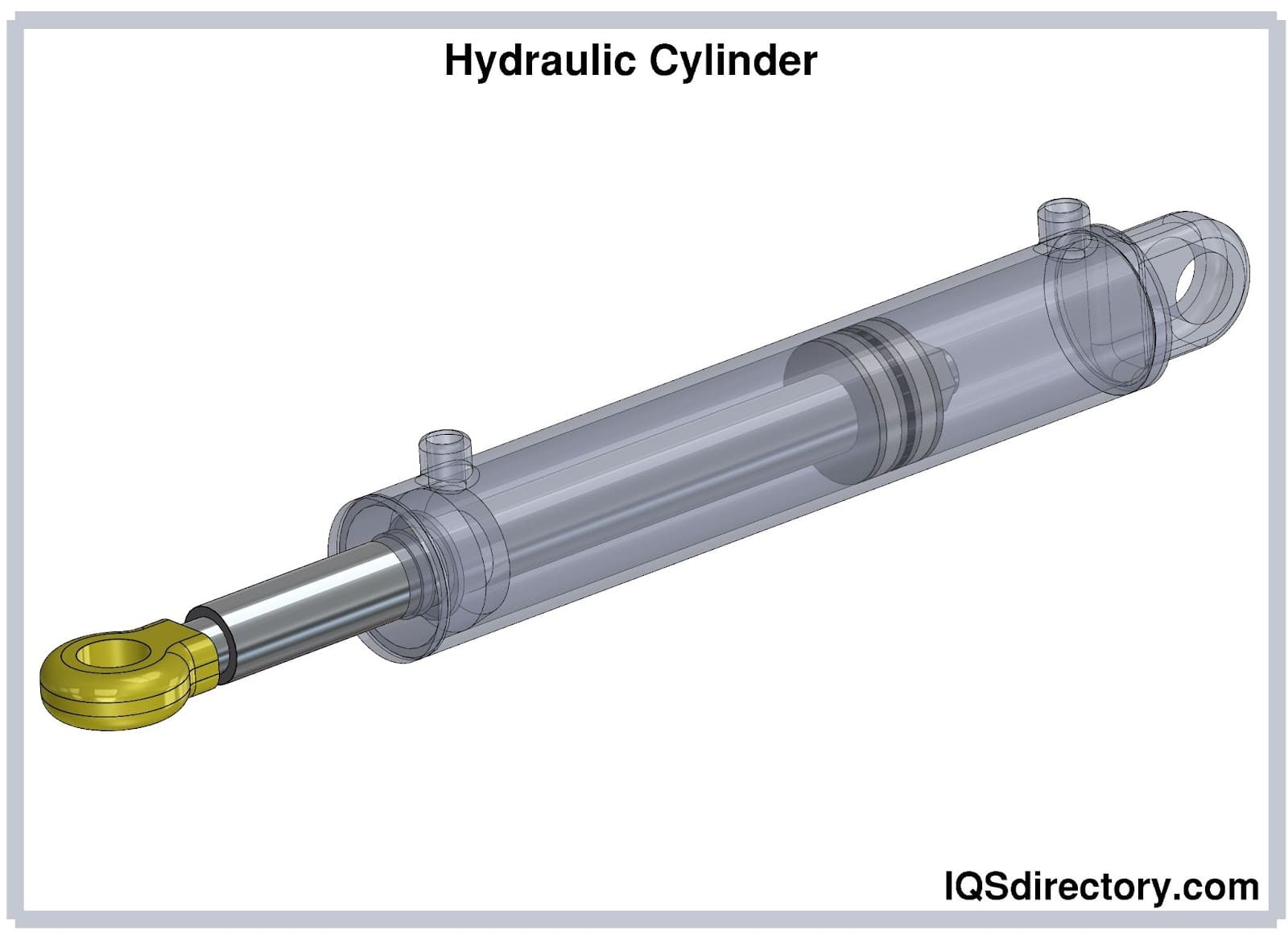
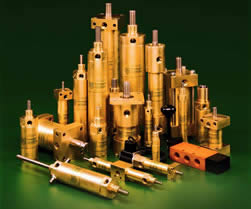 Hydraulic Cylinders
 Hydraulic Lifts
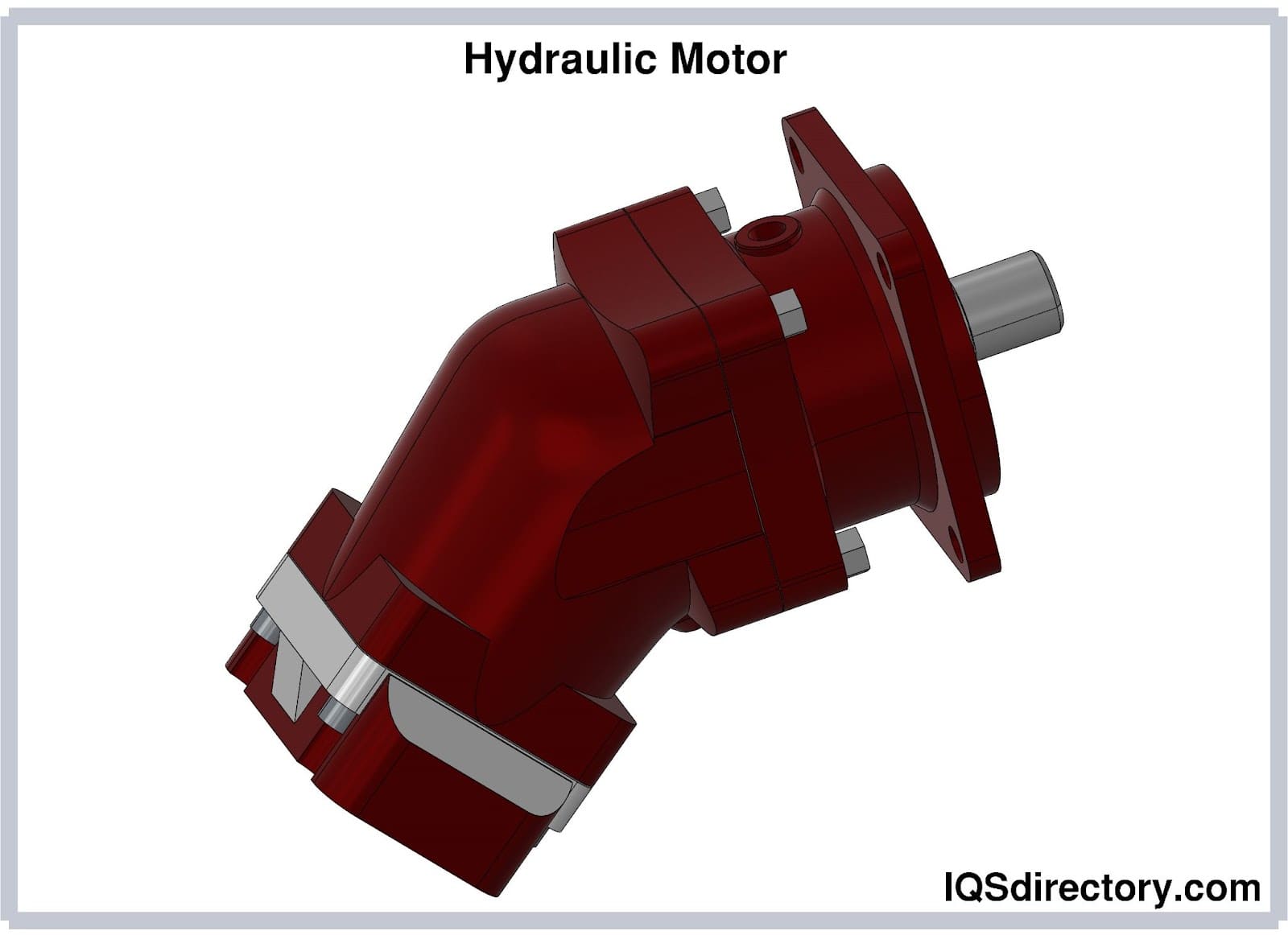
 Hydraulic Motors
 Hydraulic Presses
 Hydraulic Pumps
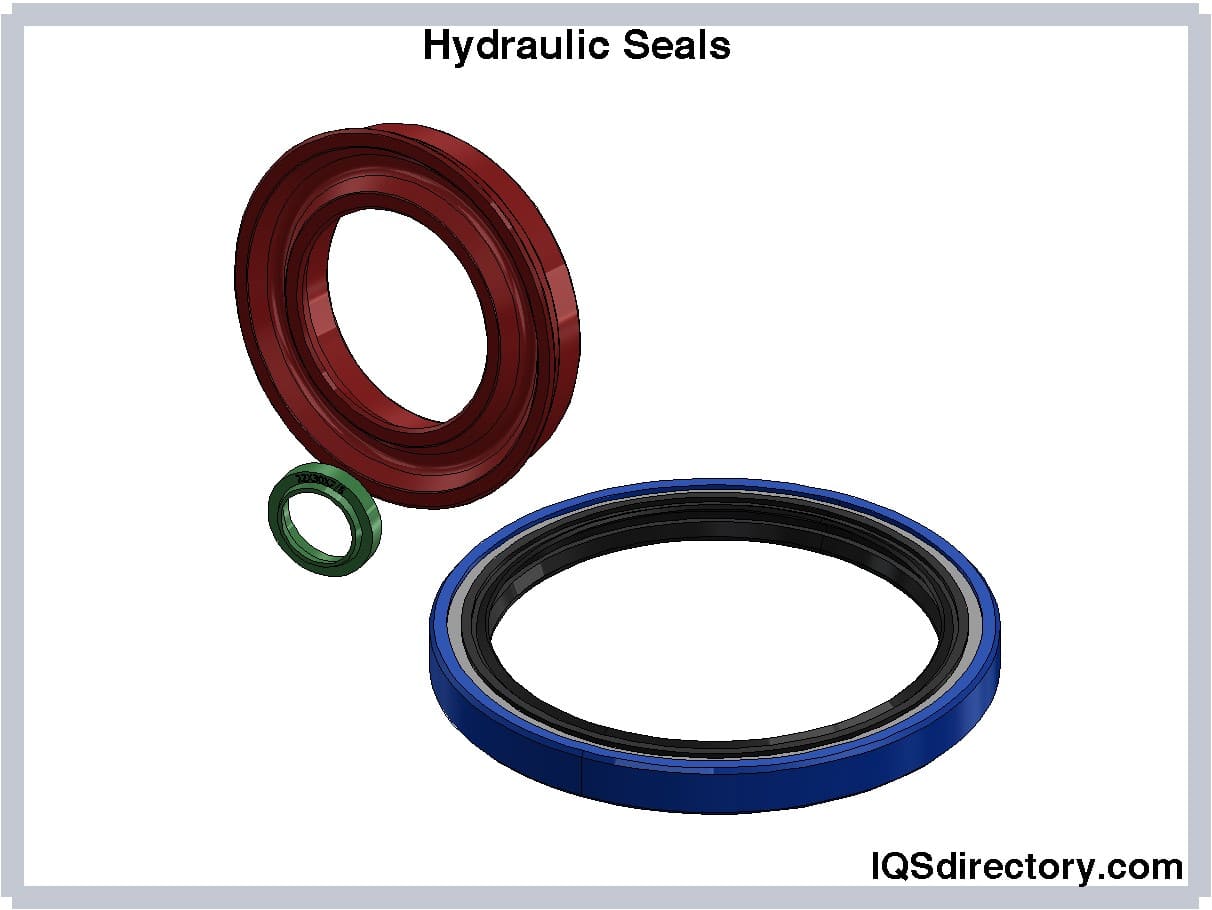
 Hydraulic Seals
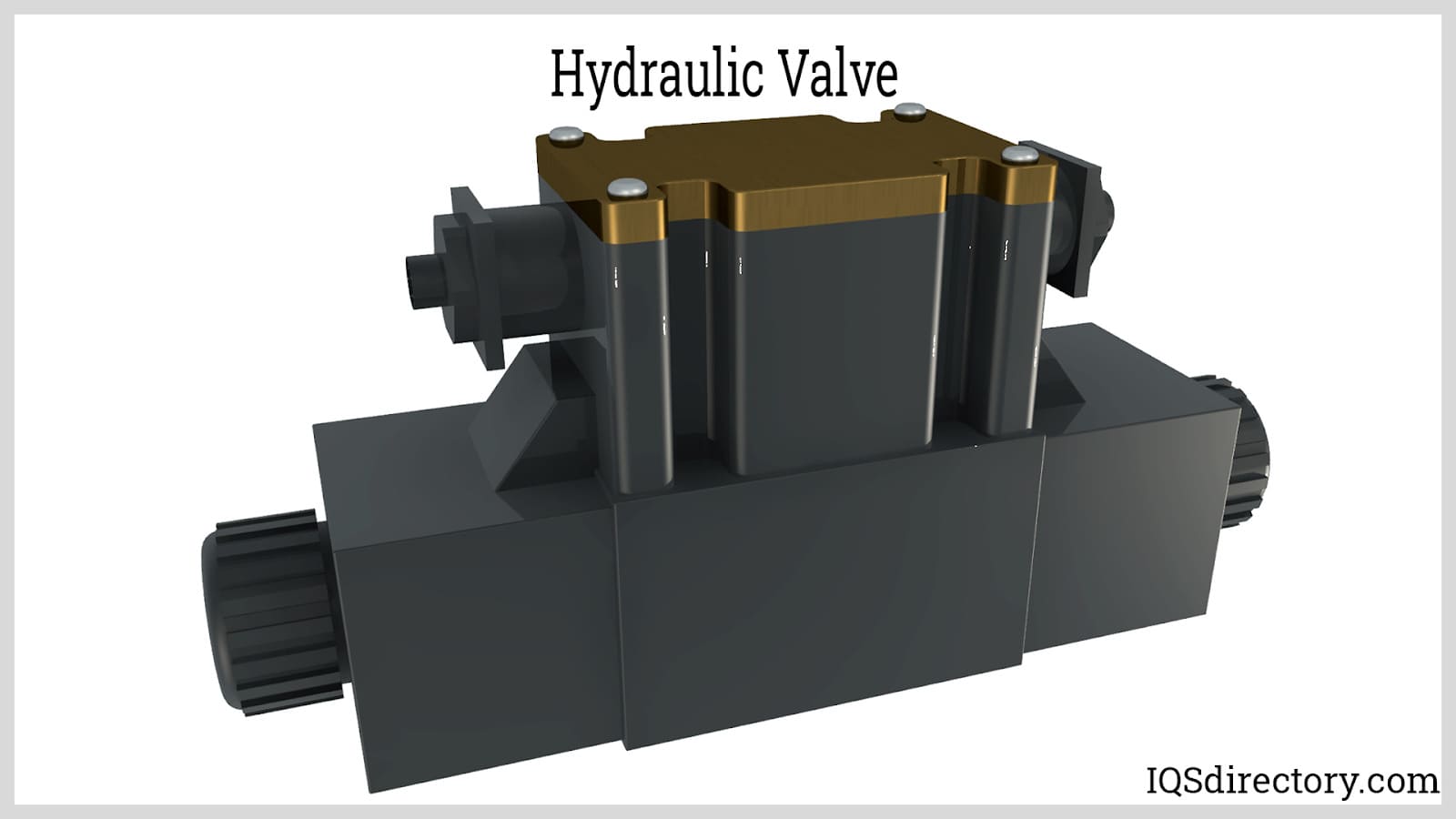
 Hydraulic Valves
 Castings & Forgings
 Bulk Material Handling
 Electrical & Electronic Components
 Flow Instrumentation
 Hardware
 Material Handling Equipment
 Metal Cutting Services
 Metal Forming Services
 Metal Suppliers
 Motion Control Products
 Plant & Facility Equipment
 Plant & Facility Supplies
 Plastic Molding Processes
 Pumps & Valves
 Recycling Equipment
 Rubber Products & Services