Also known as pneumatic hydraulic pumps, these devices are used in a number of industries to aid in the transportation of materials and the lifting of heavy loads with minimal initial force. Read More…
Here at Metro Hydraulic Jack Co. we manufacture hydraulic solutions for a number of markets including: agricultural, municipal, construction, mining and transportation. Our company has an extensive history of engineering success. If you are unsure what hydraulic products are best for your task then just let one of our representatives know your application and we can handle the rest!

Established in 1972, Hyseco specializes in hydraulic & fluid power products. We provide numerous products including hydraulic pumps, cylinders, motors and power units. Our field service operates 24/7 and serves all industries. Visit our website for more information regarding our products as well as the capabilities we offer. Thank you for considering Hyseco.
Hader Industries is a manufacturer of hydraulic components. We custom-engineer hydraulic cylinders, valves and accumulators for mobile equipment. We have been servicing various industries for over 70 years. If you have any questions about our products or services then please give us a call today to learn more!
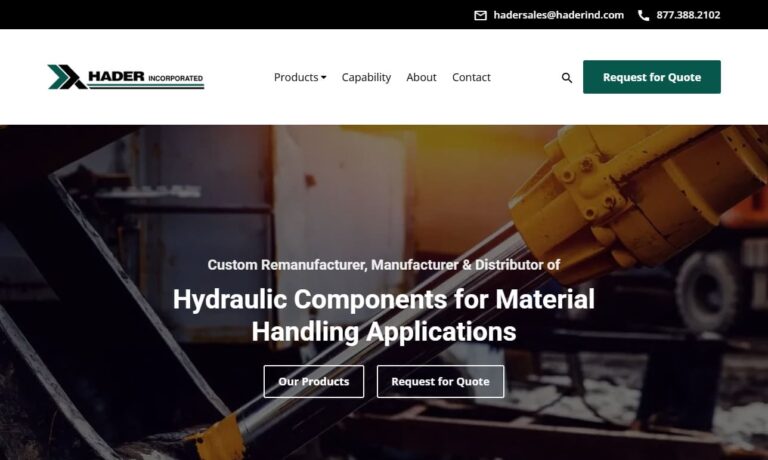
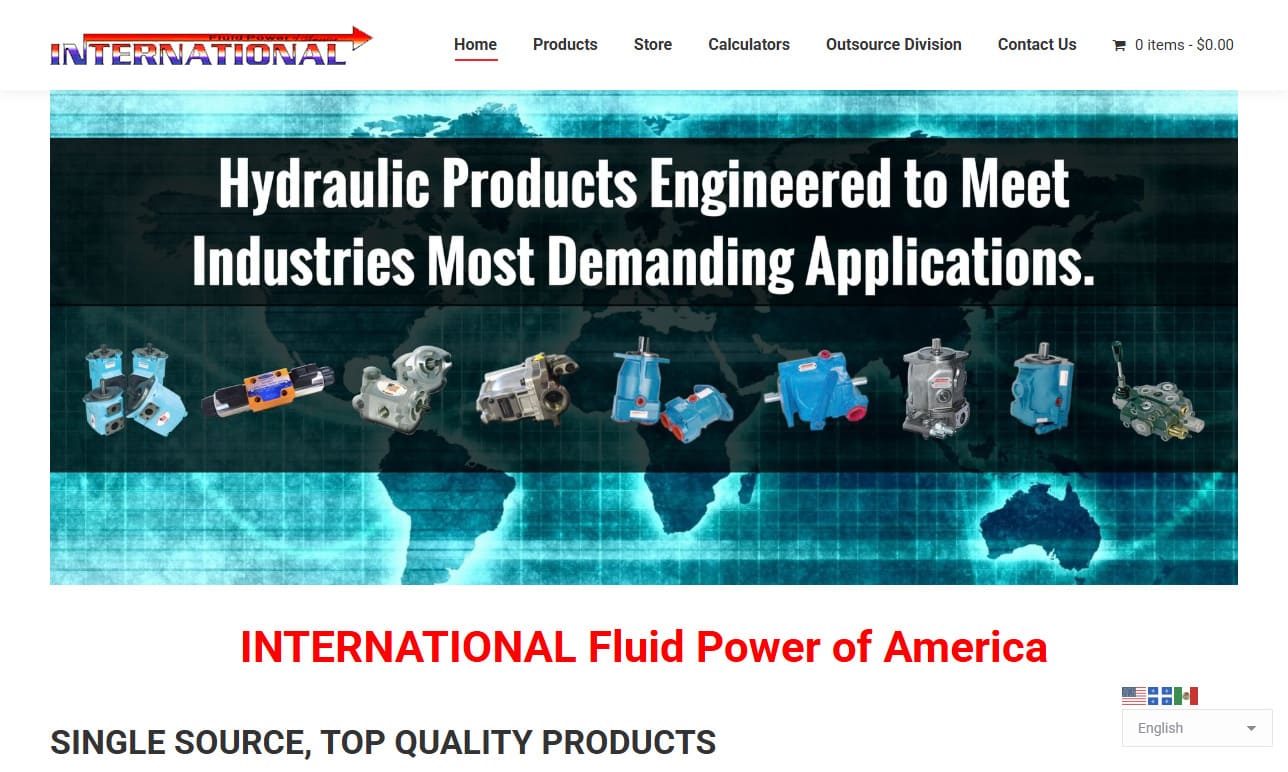
At International Fluid Power of America, we take pride in delivering hydraulic solutions that keep industries moving with strength and precision. Our expertise centers on hydraulic pumps, which we design, supply, and support to ensure optimal performance in demanding applications.

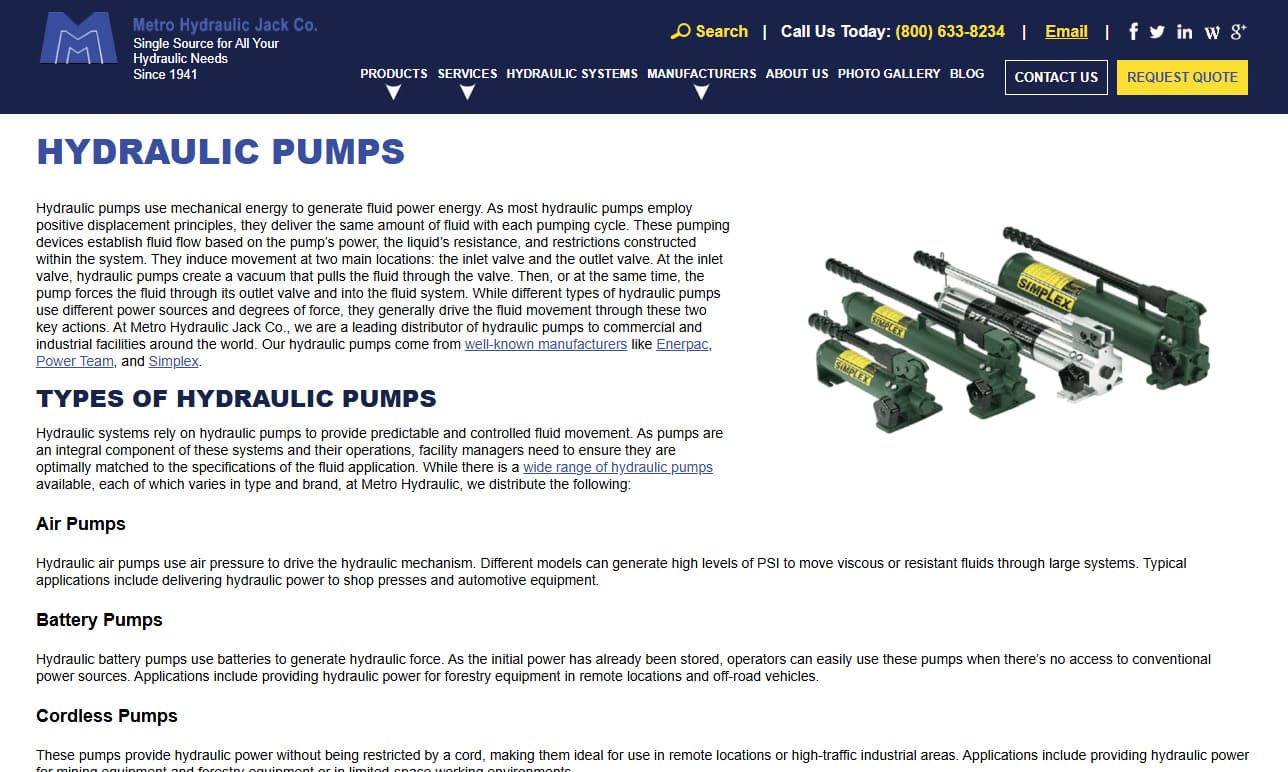
More Air Hydraulic Pump Manufacturers
Comprehensive Guide to Air Hydraulic Pumps: Applications, Benefits, and Key Decision Factors
Air hydraulic pumps, also known as pneumatic hydraulic pumps, are essential components in modern industrial, automotive, and manufacturing operations. These hybrid hydraulic devices utilize compressed air as a power source to generate hydraulic pressure, enabling efficient operation of a wide range of heavy-duty machinery and precision equipment. Whether you are searching for high-pressure air hydraulic pumps for industrial use, portable air over hydraulic pumps for mobile operations, or specialized solutions for manufacturing automation, understanding the fundamentals and advantages of these pumps is crucial for making an informed purchase decision.
What Is an Air Hydraulic Pump?
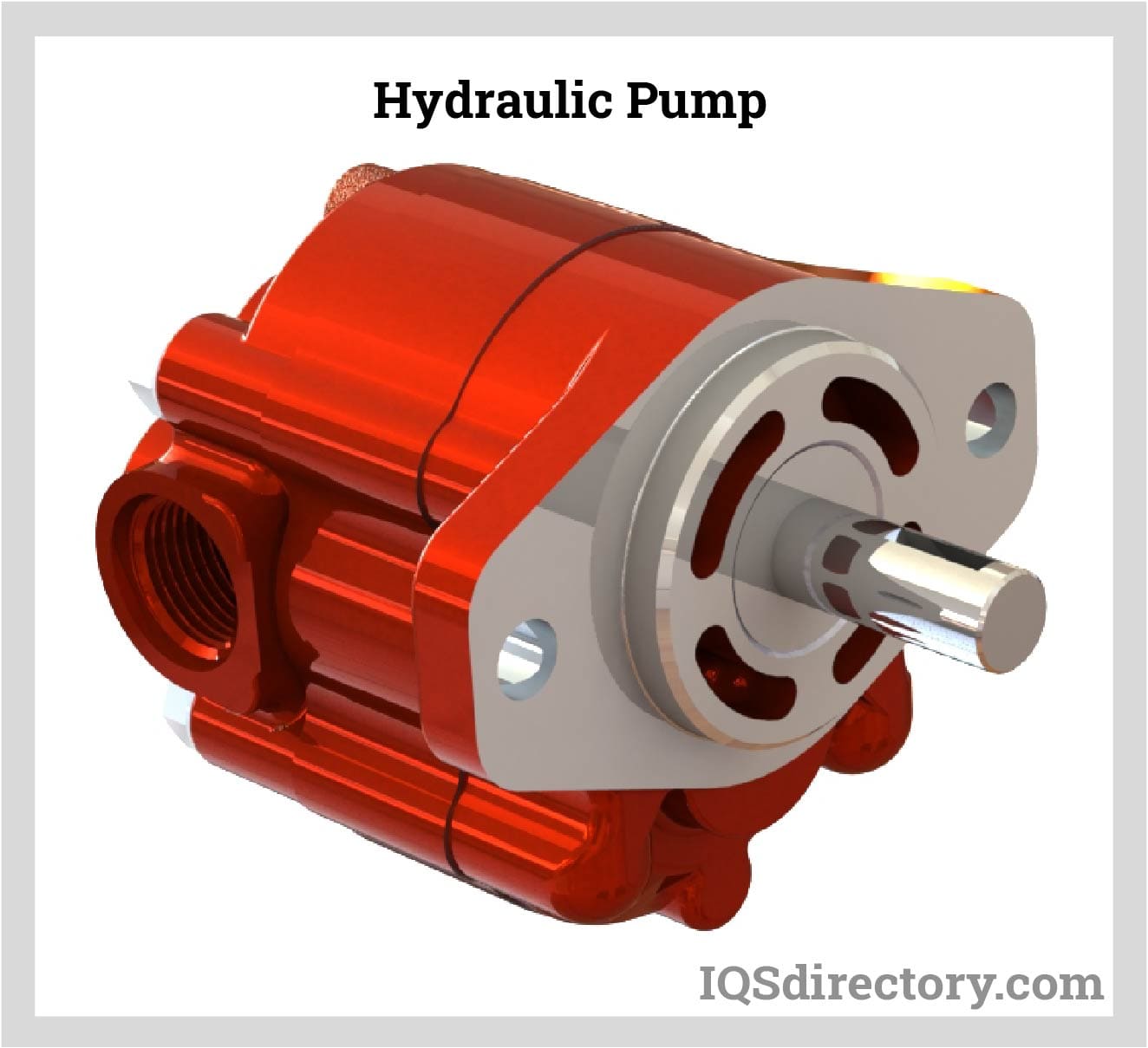
An air hydraulic pump is a type of hydraulic pump that uses compressed air to generate hydraulic pressure. This pressure is then used to power hydraulic machinery or tools such as cylinders, presses, lifts, and clamping devices. Unlike electric or gasoline-powered hydraulic pumps, air hydraulic pumps leverage the force of compressed air to initiate and sustain the hydraulic process. This unique combination offers several advantages, particularly in environments where electricity is limited or hazardous, or where compact, portable solutions are required.
How Do Air Hydraulic Pumps Work?
Although some hydraulic pumps use the momentum of moving water to continue operation, all hydraulic pumps—including air-driven models—require an initial force to begin the process. In air hydraulic pumps, this initial force is supplied by a compressor, which can be either automatic (powered by an air compressor) or manually operated (by hand or foot). The compressor increases the air pressure within an enclosed chamber, which in turn drives the hydraulic fluid through the system.
Here’s a breakdown of the core components and operational principles of an air hydraulic pump:
- Reservoir: Holds the hydraulic fluid, typically oil or a water-based composite.
- Hydraulic Cylinder: Contains a piston mechanism and two check valves (intake and discharge).
- Air Cylinder (or Air Chamber): Receives pressurized air from a compressor, which acts on the piston.
- Hoses or Tubing: Channel hydraulic fluid from the reservoir to the cylinder and back.
- Check Valves: Control the movement of fluid into (intake) and out of (discharge) the cylinder.
The process begins when pressurized air enters the air cylinder and pushes the piston into the hydraulic cylinder. This action compresses the hydraulic fluid, increasing its pressure. The pressurized hydraulic fluid is then directed through hoses or tubes to perform work—such as lifting, pushing, pulling, or clamping. Once the air is released or the cycle is complete, a spring mechanism returns the piston to its original position, drawing new fluid into the cylinder from the reservoir and preparing for the next cycle.
Major Applications and Use Cases for Air Hydraulic Pumps
Air hydraulic pumps are incredibly versatile, finding applications across a diverse range of industries and technical environments. Below are some of the primary markets and use cases for these pumps:
- Industrial Manufacturing: Used for operating hydraulic presses, stamping machines, bending equipment, torque wrenches, and assembly automation systems.
- Automotive and Transportation: Powering vehicle lifts, brake repair tools, hydraulic jacks, and chassis alignment equipment.
- Construction & Heavy Equipment: Essential for cranes, excavators, lifting platforms, and earth-moving machinery requiring portable and reliable hydraulic power.
- Marine and Shipbuilding: Utilized for steering gear, winches, anchor handling, and maintenance operations where electrical power may be restricted.
- Military and Defense: Deployed in field repair kits, mobile artillery systems, and armored vehicle maintenance requiring robust, explosion-proof hydraulic solutions.
- Mining and Excavation: Operate drilling rigs, conveyor belt tensioners, and hydraulic cutters in hazardous locations.
- Maintenance and Repair Operations (MRO): Commonly used in service shops for hydraulic tool calibration, component testing, and fixture actuation.
Even a small hydraulic hand pump, which uses a foot or hand lever to compress the air needed to operate the hydraulic system, can convert as little as 4.5 pounds of pedal force into 100 pounds of load-moving force. Larger electric air compressor pumps deliver even greater capacities, making them suitable for high-demand industrial applications.
Key Benefits of Air Hydraulic Pumps
Why choose an air hydraulic pump over traditional electric or manual hydraulic pumps? Here are some of the most compelling advantages:
- Portability and Compact Design: Air hydraulic pumps are generally lightweight and can be easily transported between worksites or integrated into mobile toolkits.
- Explosion-Proof Operation: Since these pumps do not rely on electrical power, they are ideal for hazardous locations where sparks or electrical arcs could present safety risks, such as chemical plants, oil refineries, and mining operations.
- Energy Efficiency: Air-driven pumps only consume energy when activated, reducing overall energy consumption compared to continuously running electric pumps.
- Lower Maintenance Requirements: Fewer moving parts and no electric motors result in less frequent maintenance and lower risk of component failure.
- Precise Control: Many air hydraulic pumps offer fine adjustment of output pressure and flow rate, making them suitable for delicate assembly or machining tasks.
- Cost-Effectiveness: Utilizing existing compressed air infrastructure can be more economical than installing new electrical systems, especially in large industrial plants.
Types of Air Hydraulic Pumps
There are several types of air hydraulic pumps to consider, each suited to specific operational needs:
- Single-Acting Air Hydraulic Pumps: Deliver hydraulic pressure in one direction only, ideal for simple lifting, pressing, or clamping tasks.
- Double-Acting Air Hydraulic Pumps: Provide hydraulic force in both directions, improving efficiency for repetitive or bi-directional motion applications.
- Foot-Operated Air Hydraulic Pumps: Designed for hands-free operation, often used in mobile repair or assembly environments.
- High-Pressure Air Hydraulic Pumps: Engineered for demanding applications requiring very high hydraulic force, such as industrial jacks and presses.
- Portable Air Hydraulic Pumps: Compact and lightweight, suitable for fieldwork and remote operations without steady power sources.
How to Select the Right Air Hydraulic Pump
Choosing the best air hydraulic pump for your needs requires careful consideration of several important factors. Use the following checklist to guide your research and purchasing decisions:
- Required Hydraulic Pressure: What maximum pressure (PSI or bar) does your application demand? High-pressure models may be needed for heavy loads or industrial presses.
- Flow Rate: How much hydraulic fluid (in liters/min or gallons/min) does your system require for efficient operation?
- Power Source Availability: Will you have access to compressed air, or do you need a pump that can run off portable compressors or manual input?
- Application Environment: Is the pump intended for hazardous, outdoor, or marine environments? Explosion-proof and corrosion-resistant models may be needed.
- Portability Needs: Will the pump remain stationary, or does your operation require frequent relocation?
- Budget Constraints: What is your budget for initial purchase, installation, and long-term maintenance?
- Compatibility: Does the pump’s output fit the specifications of your hydraulic cylinders, valves, and hoses?
Not sure which air hydraulic pump is right for you? Ask yourself:
- How much load do I need to move or lift?
- What is my available air supply pressure and volume?
- Will I be using the pump indoors, outdoors, or in a hazardous location?
- Do I need single-acting or double-acting pump functionality?
- Is noise reduction or maintenance frequency a priority for my application?
Air Hydraulic Pump Maintenance and Troubleshooting
Proper maintenance is key to maximizing the lifespan and reliability of your air hydraulic pump. Here are best practices and troubleshooting tips:
- Regular Fluid Checks: Monitor hydraulic fluid levels and replace contaminated or degraded fluids promptly.
- Inspect Hoses and Connections: Check for leaks, cracks, or loose fittings that could compromise system efficiency or safety.
- Lubricate Moving Parts: Apply appropriate lubricants to piston assemblies and valves as recommended by the manufacturer.
- Monitor Air Supply: Ensure the air compressor delivers clean, dry, and consistent pressure to avoid moisture or debris infiltration.
- System Testing: Periodically cycle the pump under load to verify consistent performance and identify potential issues before they escalate.
Common issues and solutions:
- Pump won’t build pressure: Check for air leaks, blocked valves, or insufficient air supply.
- Slow or erratic operation: Inspect for fluid contamination or piston seal wear.
- Unusual noise or vibration: Examine mounting brackets and ensure all fasteners are tight.
Frequently Asked Questions (FAQs) about Air Hydraulic Pumps
- Q: What’s the difference between an air hydraulic pump and a standard hydraulic pump?
A: Standard hydraulic pumps are typically powered by electric motors or internal combustion engines, while air hydraulic pumps use compressed air as their energy source, making them safer for hazardous environments and more portable for remote operations. - Q: Can air hydraulic pumps be used with any hydraulic cylinder?
A: Most air hydraulic pumps are compatible with a wide range of hydraulic cylinders, but always verify pressure and flow specifications to ensure optimal performance and safety. - Q: What industries benefit most from air hydraulic pumps?
A: Industries such as automotive, construction, mining, oil and gas, marine, manufacturing, railways, and emergency services all utilize air hydraulic pumps for their reliability, efficiency, and adaptability. - Q: How do I size an air hydraulic pump for my application?
A: Consider required hydraulic pressure, flow rate, compatibility with existing equipment, and the demands of your specific application. Consulting with a manufacturer or distributor can help you select the most appropriate model.
Where to Buy Air Hydraulic Pumps
Looking to source reliable air hydraulic pumps for your business or project? Here are the most common purchasing channels:
- Authorized Distributors: Offer a wide selection of brand-name air hydraulic pumps, technical support, and after-sales service.
- Industrial Supply Stores: Stock a variety of pumps, replacements, and accessories for immediate purchase.
- Online Marketplaces: Provide access to product specifications, user reviews, and price comparisons for top-rated air hydraulic pumps.
- Direct from Manufacturers: Custom solutions, bulk discounts, and technical consultations are often available.
Ready to compare air hydraulic pumps? Browse pump manufacturers and suppliers to request quotes or download datasheets.
Related Hydraulic Pump Solutions
Depending on your application, you may also be interested in these related hydraulic pump types:
- Hydraulic Hand Pumps – Manual operation for portable or backup power.
- Electric Hydraulic Pumps – Powered by electric motors for high-volume and automated systems.
Explore More: Search-Driven Buyer Prompts
- What is the best air hydraulic pump for automotive lifts?
- Compare single-acting vs. double-acting air hydraulic pumps—advantages and limitations
- How to maintain an air hydraulic pump for maximum service life
- What are the top-rated portable air hydraulic pumps for field use?
- Where can I find explosion-proof air hydraulic pumps for hazardous locations?
- What capacity air hydraulic pump do I need for my application?
Conclusion: Maximizing Value with Air Hydraulic Pumps
Air hydraulic pumps offer a unique combination of power, safety, and versatility for a broad spectrum of industrial, commercial, and maintenance applications. Their ability to convert compressed air into powerful hydraulic force makes them a go-to solution for environments where reliability, portability, and hazard resistance are essential. By carefully evaluating your operational needs—considering pressure requirements, flow rates, environmental factors, and budget—you can select an air hydraulic pump that delivers maximum performance and long-term value.
Ready to take the next step? Browse leading air hydraulic pump manufacturers and request a quote today, or explore our in-depth guides to learn more about hydraulic technology and innovations.
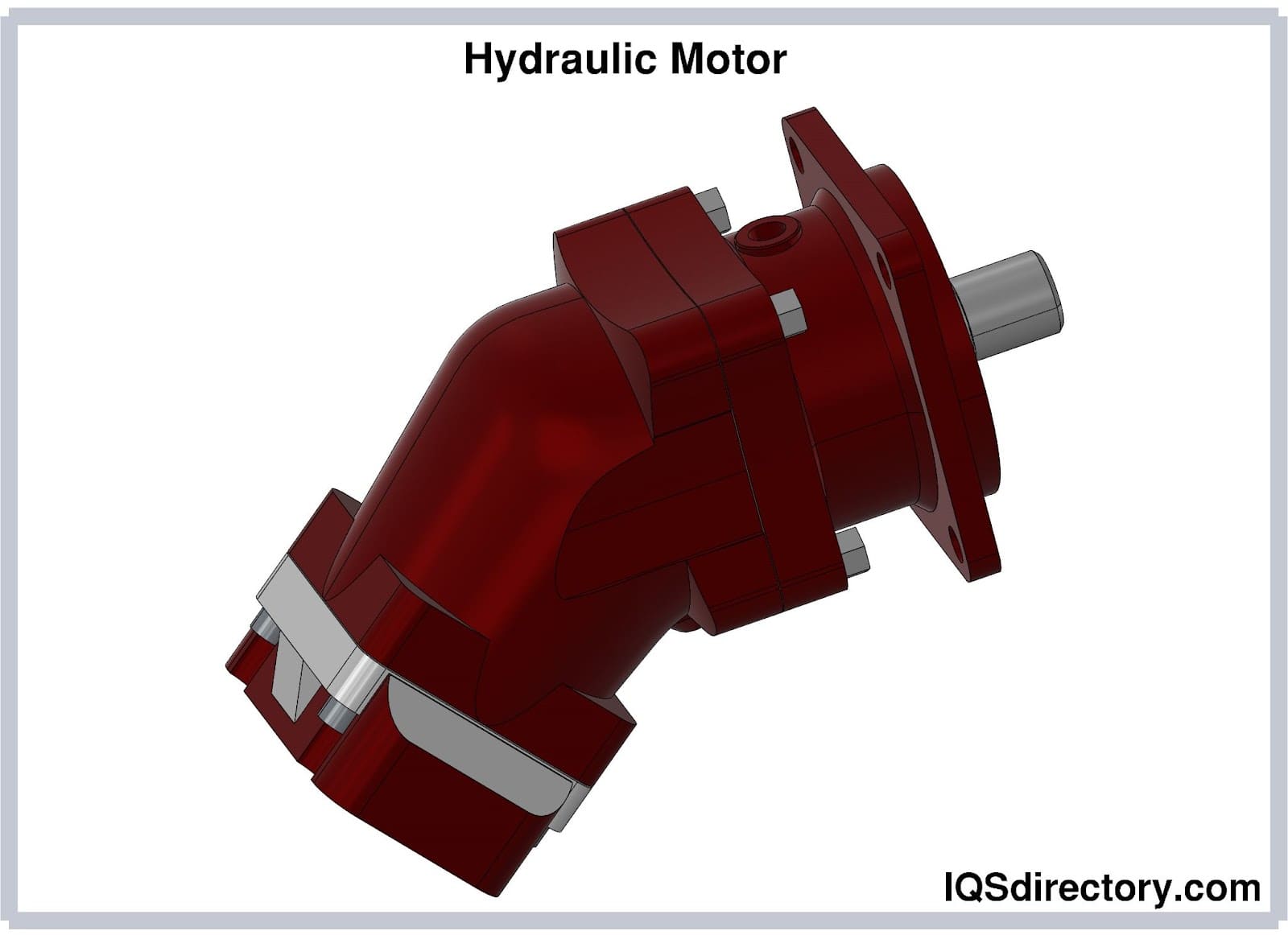
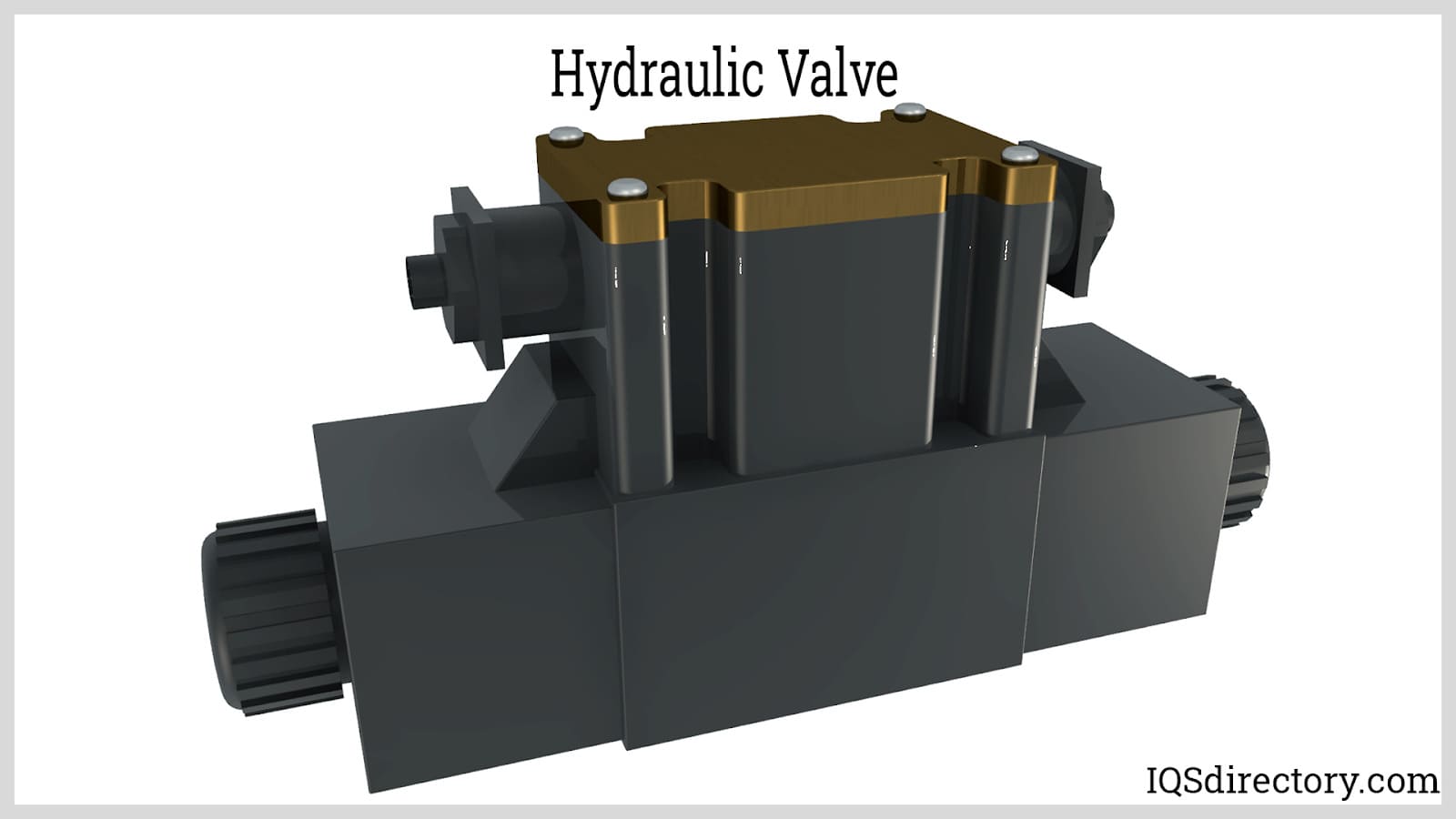
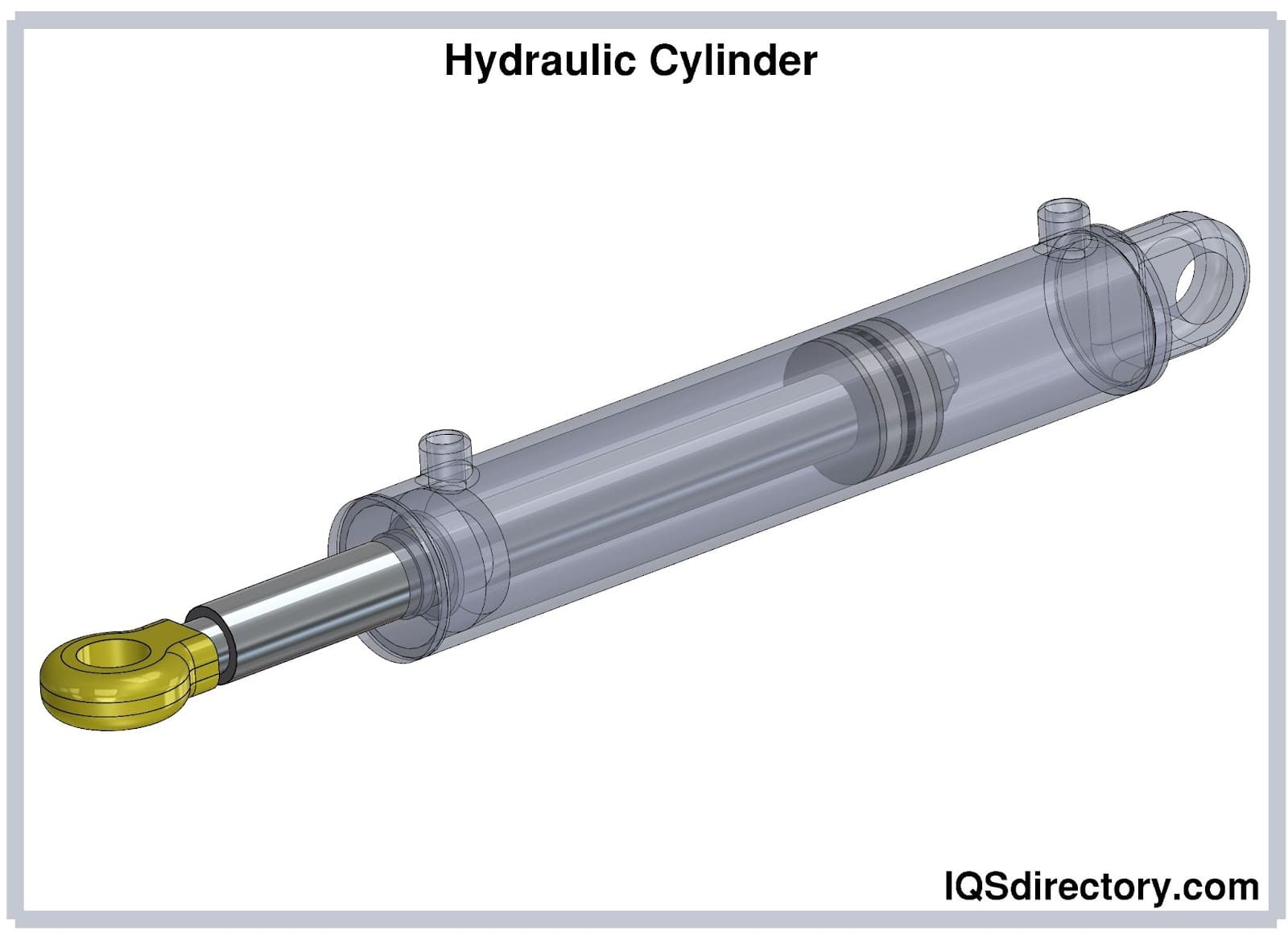
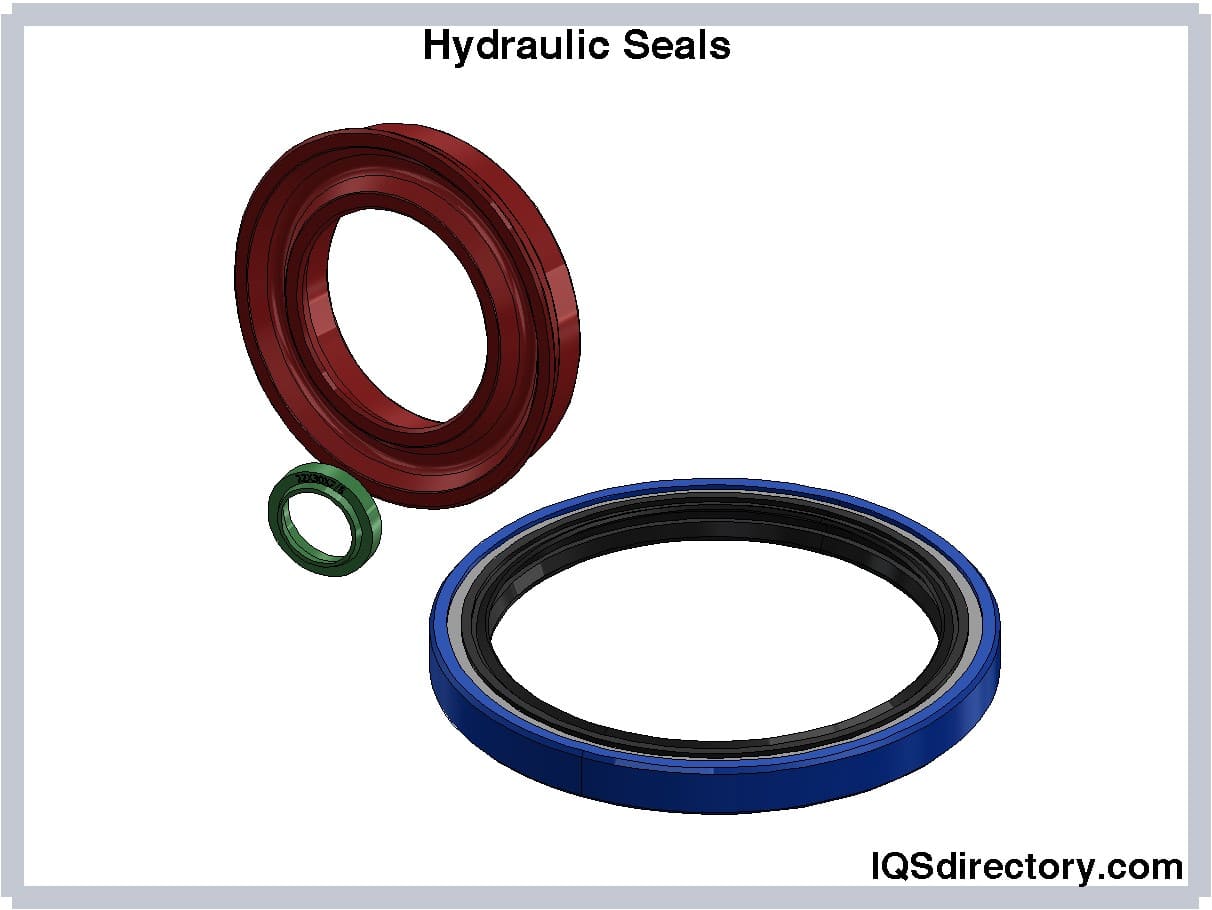
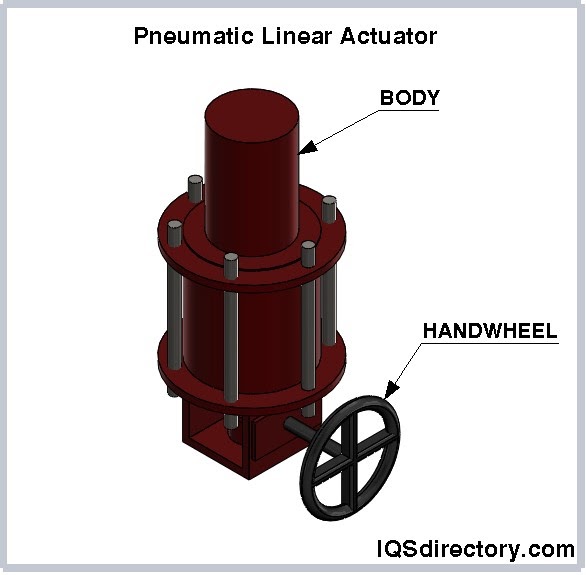
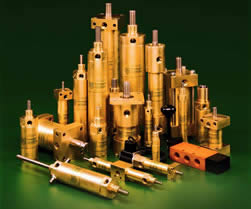 Hydraulic Cylinders
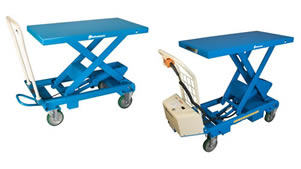 Hydraulic Lifts
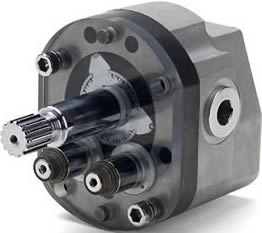 Hydraulic Motors
 Hydraulic Presses
 Hydraulic Pumps
 Hydraulic Seals
 Hydraulic Valves
 Castings & Forgings
 Bulk Material Handling
 Electrical & Electronic Components
 Flow Instrumentation
 Hardware
 Material Handling Equipment
 Metal Cutting Services
 Metal Forming Services
 Metal Suppliers
 Motion Control Products
 Plant & Facility Equipment
 Plant & Facility Supplies
 Plastic Molding Processes
 Pumps & Valves
 Recycling Equipment
 Rubber Products & Services