Hydraulic hand pumps combine pressure and flow to produce hydraulic energy using human effort as the input. Under the straightforward premise that the handle gives an internal piston leverage, hydraulic fluid is provided under pressure that is directly applied from the manual effort. Read More…
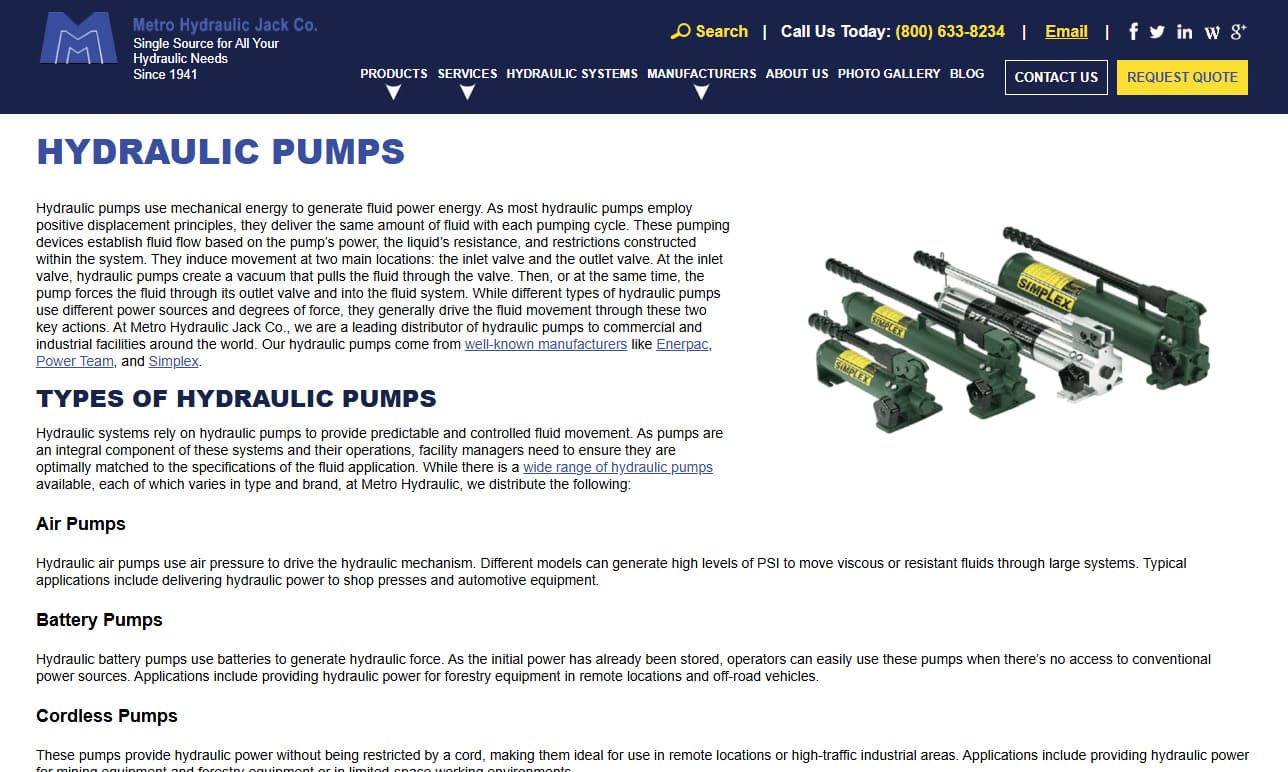
Here at Metro Hydraulic Jack Co. we manufacture hydraulic solutions for a number of markets including: agricultural, municipal, construction, mining and transportation. Our company has an extensive history of engineering success. If you are unsure what hydraulic products are best for your task then just let one of our representatives know your application and we can handle the rest!

Established in 1972, Hyseco specializes in hydraulic & fluid power products. We provide numerous products including hydraulic pumps, cylinders, motors and power units. Our field service operates 24/7 and serves all industries. Visit our website for more information regarding our products as well as the capabilities we offer. Thank you for considering Hyseco.

Hader Industries is a manufacturer of hydraulic components. We custom-engineer hydraulic cylinders, valves and accumulators for mobile equipment. We have been servicing various industries for over 70 years. If you have any questions about our products or services then please give us a call today to learn more!

At International Fluid Power of America, we take pride in delivering hydraulic solutions that keep industries moving with strength and precision. Our expertise centers on hydraulic pumps, which we design, supply, and support to ensure optimal performance in demanding applications.



More Hydraulic Hand Pump Manufacturers
Every industry that needs to test, calibrate, or operate pressure equipment such as pressure transmitters, pressure gauges, and pressure switches relies on hydraulic hand pumps. These essential devices play a vital role in sectors ranging from energy production and healthcare to construction, water treatment, manufacturing, and wastewater management. By ensuring precise fluid handling, they contribute to the safety, reliability, and efficiency of countless systems, directly impacting the security and effectiveness of our global economy. However, due to the diversity of applications and performance requirements, there isn’t a single hand pump design that meets every need. Selecting the right hydraulic hand pump requires understanding specific use cases, application environments, and technical specifications.

Hydraulic Hand Pump Working Principle
A hydraulic hand pump operates by converting human power into a controlled combination of pressure and flow, generating hydraulic energy. This process relies on a simple yet robust mechanical principle: by manually actuating a handle, the user drives an internal piston, leveraging mechanical force to pressurize hydraulic fluid. This fluid—typically specialized hydraulic oil or water—is then forced into a cylinder port, allowing the system to deliver energy precisely where needed. Other pressure media, such as synthetic fluids or environmentally safe alternatives, may also be utilized depending on industry requirements and regulatory standards.
The pressurized fluid generated by a hydraulic hand pump can be used to test, adjust, and calibrate a wide range of measuring devices and industrial tools. For example, technicians rely on hydraulic hand pumps for fine-tuning pressure transducers, relief valves, and hydraulic actuators. When users require highly accurate adjustments, these pumps are indispensable for testing and loading mechanical components under controlled pressure conditions. In addition, hydraulic hand pumps are widely used in material handling equipment—such as hydraulic jacks, cranes, and lifting tables—to raise and lower heavy loads, providing precise and repeatable control over movement. Their versatility and reliability make them a cornerstone for maintenance, troubleshooting, and commissioning across many sectors.
There are two main types of hydraulic hand pumps available, each with unique performance characteristics and application benefits:
- Single-acting hydraulic hand pumps
- Double-acting hydraulic hand pumps
Double-Acting Hydraulic Hand Pumps
Double-acting hydraulic hand pumps are engineered to exert force during both the downstroke and upstroke of the handle. This dual-action mechanism allows for increased efficiency, enabling the user to generate higher pressures and achieve faster fluid displacement compared to single-acting pumps. As a result, double-acting hand pumps are ideal for demanding industrial applications where rapid pressurization and consistent flow are essential. Typical use cases include hydrostatic pressure testing, pipeline integrity verification, and high-pressure calibration for critical process equipment.
However, the increased complexity of double-acting pumps can make maintenance and repair more challenging. Internal components must be carefully maintained to ensure reliable sealing and smooth operation, especially in environments with high pressures or abrasive fluids. Some operators may prefer single-acting pumps for their simplicity, but double-acting designs offer clear advantages in terms of productivity and performance. When evaluating double-acting hand pumps for your operation, consider the trade-offs between speed, ease of service, and total cost of ownership.

Single-Acting Hydraulic Hand Pumps
Single-acting hydraulic hand pumps generate pressure only during the downstroke, delivering fluid in one direction. This simplicity makes them rugged and easy to maintain, with fewer moving parts and a lower risk of failure. Hydraulic jacks and portable lifting systems frequently employ single-action pumps due to their reliability and ease of use. In the aerospace industry, single-acting hand pumps are commonly used to test aircraft hydraulic subsystems during preventive maintenance checks, serve as emergency hydraulic power sources, and help diagnose the root causes of hydraulic system faults.
While single-acting hand pumps may require more time and effort to reach target pressures compared to double-acting designs, their straightforward construction translates into lower maintenance costs and less downtime. Both pump types are ultimately engineered to enhance operational safety and minimize risk, but the optimal choice depends on your specific requirements for speed, serviceability, and pressure range.

Features of Hydraulic Hand Pumps
- Dual-stage pressure output: Many hydraulic hand pumps feature two-stage pressure mechanisms, enabling rapid high- and low-pressure output. This design shortens operational and rescue time, making them invaluable in emergency response and critical maintenance scenarios.
- Compatibility with hydraulic tools: Hydraulic hand pumps are designed to integrate seamlessly with a wide array of hydraulic tools and accessories, including hydraulic cylinders, spreaders, cutters, and pressure calibrators.
- Wide range of applications: From industrial plant maintenance and laboratory calibration to automotive repair, mining, and firefighting equipment servicing, hydraulic hand pumps address diverse operational needs.
- Temperature versatility: When paired with compatible hydraulic fluids, these pumps can operate effectively across a broad temperature spectrum, typically between -30°C and 55°C, making them suitable for harsh outdoor and remote environments.
- Quiet operation: Hydraulic hand pumps produce minimal noise compared to electric or pneumatic alternatives, which is a significant advantage in noise-sensitive environments such as laboratories, hospitals, and public infrastructure projects.
- Intrinsic safety: Because these pumps are manually operated, they produce no sparks and are safe to use in explosive or flammable locations—an essential consideration for the oil and gas, chemical processing, and mining industries.
- Low maintenance requirements: The robust, straightforward design ensures longevity and reduces the need for frequent servicing, even under heavy-duty or continuous-use conditions.
Hydraulic Hand Pumps in Action: Use Cases and Industry Applications
For applications demanding high-pressure output—often up to 10,000 psi (70 MPa) or more—hydraulic pressure test pumps are the preferred solution. These hand-operated pumps are frequently paired with digital pressure calibrators and test gauges to:
- Test and calibrate pressure switches and transmitters
- Detect system leaks in hydraulic circuits and fluid power systems
- Validate the accuracy and performance of industrial pressure gauges
- Perform hydrostatic testing of pipelines, pressure vessels, and safety relief valves
Because they are lightweight, portable, and require no external power source, hand-operated hydraulic pumps are essential for field testing and on-site calibration—especially in locations where electricity or compressed air is unavailable or unsuitable. This makes them ideal for maintenance crews in remote oilfields, water treatment plants, or utility substations. They are also indispensable in hazardous areas, such as chemical refineries or offshore drilling platforms, where avoiding ignition sources is critical for worker safety.
Wondering which hydraulic hand pump is right for your application? Explore these common user questions and decision points:
- What pressure range do I need for my test or calibration tasks?
- Should I choose a single-acting or double-acting pump for my workflow?
- What hydraulic fluid compatibility is required by my system or industry standards?
- How important are portability and weight for my field operations?
- What maintenance features or certifications (e.g., ATEX, ISO) are necessary for my environment?
- Which accessories—such as quick-connect fittings, hoses, or adaptors—will streamline setup and usage?
- Are there specific brands or manufacturers that are recognized for reliability and after-sales support?
Benefits of Hydraulic Hand Pumps
Hydraulic hand pumps offer a unique combination of benefits that make them the preferred choice for pressure testing, calibration, and emergency hydraulic applications:
- Exceptional Efficiency: Hydraulic power is one of the most effective ways to transmit energy. With only a few strokes of the handle, users can quickly generate high pressures—often outperforming pneumatic alternatives, which require more effort to reach the same levels due to air compressibility.
- Unmatched Precision: Many models are equipped with fine adjustment valves or micrometer knobs, enabling precise control of output pressure—often down to increments of 0.01 psi (0.069 kPa). This precision is critical for laboratory calibration, aerospace testing, and medical device inspection.
- Outstanding Stability: Constructed from high-quality cast or machined metals, hydraulic hand pumps are designed to minimize leaks, withstand thermal expansion, and ensure consistent pressure stability over time. This durability contributes to reduced maintenance and a longer service life.
- Portability and Convenience: Compact, lightweight designs allow for easy transport and quick deployment in the field, supporting rapid response to maintenance and commissioning needs.
- Intrinsic Safety: Manual operation eliminates electrical hazards, making these pumps safe for use in hazardous or flammable environments where powered equipment may pose a risk.
- Cost-Effectiveness: With lower initial investment and minimal operating costs, hydraulic hand pumps provide an economical solution for routine and emergency pressure applications.
Key Factors to Consider When Selecting a Hydraulic Hand Pump
Selecting the right hydraulic hand pump for your operation requires careful evaluation of several performance criteria and application-specific requirements. To guide your decision, consider these critical factors:
- Pressure Range: What maximum pressure do you need to achieve? Ensure the pump is rated for your highest required test or calibration pressure.
- Displacement Volume: How much fluid must be moved per stroke, and is the pump capable of quickly reaching your target pressure?
- Fluid Compatibility: Is the pump engineered for use with your chosen hydraulic fluid, oil, or water? Check seals and materials for chemical resistance.
- Portability: Do you need a lightweight, compact pump for fieldwork or a stationary unit for a workshop or laboratory?
- Ergonomics: Look for user-friendly handle designs, non-slip grips, and easily adjustable valves to reduce operator fatigue.
- Safety Features: Consider integrated pressure relief valves, safety locks, and certifications for operation in hazardous locations.
- Service and Support: Choose reputable brands known for reliable after-sales service, technical documentation, and parts availability.
Searching for the best hydraulic hand pump for your unique application? Try asking:
- Where can I buy a hydraulic hand pump with rapid delivery?
- What are the top-rated hydraulic hand pump brands for industrial use?
- How do I compare single-acting versus double-acting hydraulic hand pumps?
- Which hydraulic hand pumps are certified for hazardous environments?
- Can I rent a hydraulic hand pump for short-term testing or field projects?
- What maintenance tips will maximize my hand pump’s lifespan?
Common Applications and Industries Using Hydraulic Hand Pumps
The hydraulic hand pump is a versatile tool, supporting a wide range of industrial and commercial operations. Typical application areas include:
- Oil and Gas: Pipeline pressure testing, valve calibration, and equipment commissioning in drilling and refining operations.
- Power Generation: Maintenance of turbines, boilers, and safety systems in nuclear, thermal, and hydroelectric power plants.
- Manufacturing: Calibration of process instrumentation, assembly line equipment testing, and hydraulic press operation.
- Construction: Operation of hydraulic jacks, post-tensioning equipment, and concrete testing apparatus.
- Automotive: Brake system bleeding, clutch actuation testing, and hydraulic lift servicing.
- Aerospace and Defense: Aircraft hydraulic system maintenance, flight control actuator testing, and emergency power supply.
- Water and Wastewater Treatment: Valve operation, pipeline leak detection, and filter press maintenance.
- Emergency Services: Rescue tool operation, extrication device power, and fire-fighting apparatus pressure testing.
- Laboratory and Research: Precision calibration of sensors, pressure transducers, and scientific instruments.
Hydraulic Hand Pump Accessories and Customization Options
To further enhance the versatility and operational efficiency of hydraulic hand pumps, consider these popular accessories and customization options:
- Quick-connect couplings: Allow for rapid setup and tool changeover without fluid loss.
- High-pressure hoses: Available in various lengths and pressure ratings for flexible deployment.
- Pressure gauges and test kits: Enable real-time monitoring and precise calibration in the field.
- Mounting brackets and carrying cases: Improve portability and protect equipment during transport.
- Seal kits and repair parts: Ensure fast maintenance and minimize downtime.
- Custom handle designs: Enhance ergonomics and user comfort for repetitive tasks.
Looking to optimize your hydraulic pump setup? Ask: What accessories do I need for my hydraulic hand pump to maximize efficiency and safety?
Three Key Attributes of Hydraulic Hand Pumps
Since their inception, hydraulic hand pumps have evolved to offer:
- Efficiency: Immediate and effective pressure generation with minimal manual effort, outperforming pneumatic alternatives.
- Precision: Fine-tuned control over pressure output, crucial for calibration and sensitive testing tasks.
- Stability: Robust construction for leak-free, stable performance in demanding industrial environments.
Choosing the Proper Hydraulic Hand Pump Supplier
To ensure you achieve the best results when purchasing a hydraulic hand pump, it is crucial to compare several companies using a reliable directory of hydraulic hand pump suppliers. Each supplier typically has a business profile page detailing their expertise, product range, certifications, and technical capabilities. When evaluating suppliers, consider the following:
- Product diversity: Does the supplier offer both single-acting and double-acting pumps? Are there options for different pressure ranges and fluid compatibilities?
- Customization: Can the supplier provide tailored solutions or accessories for your unique applications?
- Certifications and compliance: Is the supplier’s equipment certified to meet industry standards (e.g., ISO, CE, ATEX)?
- Customer support: Does the company provide technical assistance, spare parts, and training resources?
- Reputation: Are there case studies, user reviews, or references proving reliable performance?
- Lead time and logistics: What are the average delivery times and shipping options?
Use dedicated RFQ (Request for Quote) forms to contact multiple hydraulic hand pump companies simultaneously and compare pricing, lead times, and available features. Review each supplier’s website to understand their specialties and track record. For those seeking rapid procurement, prioritize suppliers with local inventory and responsive customer service.
Ready to find the ideal hydraulic hand pump solution? Browse our directory of hydraulic hand pump manufacturers and suppliers to compare options, request quotes, and connect with industry experts. Whether you require a rugged field unit, a high-precision calibration pump, or a custom-engineered solution for a specialized industry, our resources will help you make an informed choice.
Frequently Asked Questions (FAQs) About Hydraulic Hand Pumps
- What is the difference between a hydraulic hand pump and a pneumatic hand pump?
Hydraulic hand pumps use non-compressible fluids (such as oil or water) for pressure generation, delivering higher force and stability. Pneumatic hand pumps use compressed air, which can be less efficient for high-pressure applications but is often lighter and faster for low-pressure requirements. - How do I maintain a hydraulic hand pump?
Regularly inspect for leaks, check fluid levels, clean components, and replace worn seals or hoses. Use manufacturer-recommended fluids and parts to ensure longevity and performance. - What safety precautions should I take?
Always operate the pump within rated pressure limits, wear appropriate PPE, and follow lockout/tagout procedures when servicing connected equipment. In explosive environments, use pumps certified for intrinsic safety. - Can hydraulic hand pumps be used for both testing and permanent operations?
While primarily intended for testing, calibration, and emergency use, some hand pumps are engineered for intermittent operation in permanent systems, provided they are rated for continuous duty. - Where can I learn more about hydraulic hand pump operation and troubleshooting?
Consult the user manual, manufacturer resources, or industry guides for detailed technical support and troubleshooting tips.
Conclusion: Maximizing Value with the Right Hydraulic Hand Pump
Investing in the right hydraulic hand pump is critical for ensuring safety, precision, and productivity in pressure-based applications. By understanding working principles, distinguishing between single-acting and double-acting designs, and evaluating features such as efficiency, durability, and compatibility, you can select a pump that meets your unique operational demands. Explore reputable hydraulic hand pump suppliers, leverage expert advice, and choose a solution tailored to your industry and use case.
Ready to take the next step? Compare top hydraulic hand pump manufacturers and request quotes to ensure you choose a reliable, high-performance pump for your application. For more information, visit our Hydraulic Hand Pump Resource Center and unlock insights, buyer’s guides, and technical support tailored to your needs.
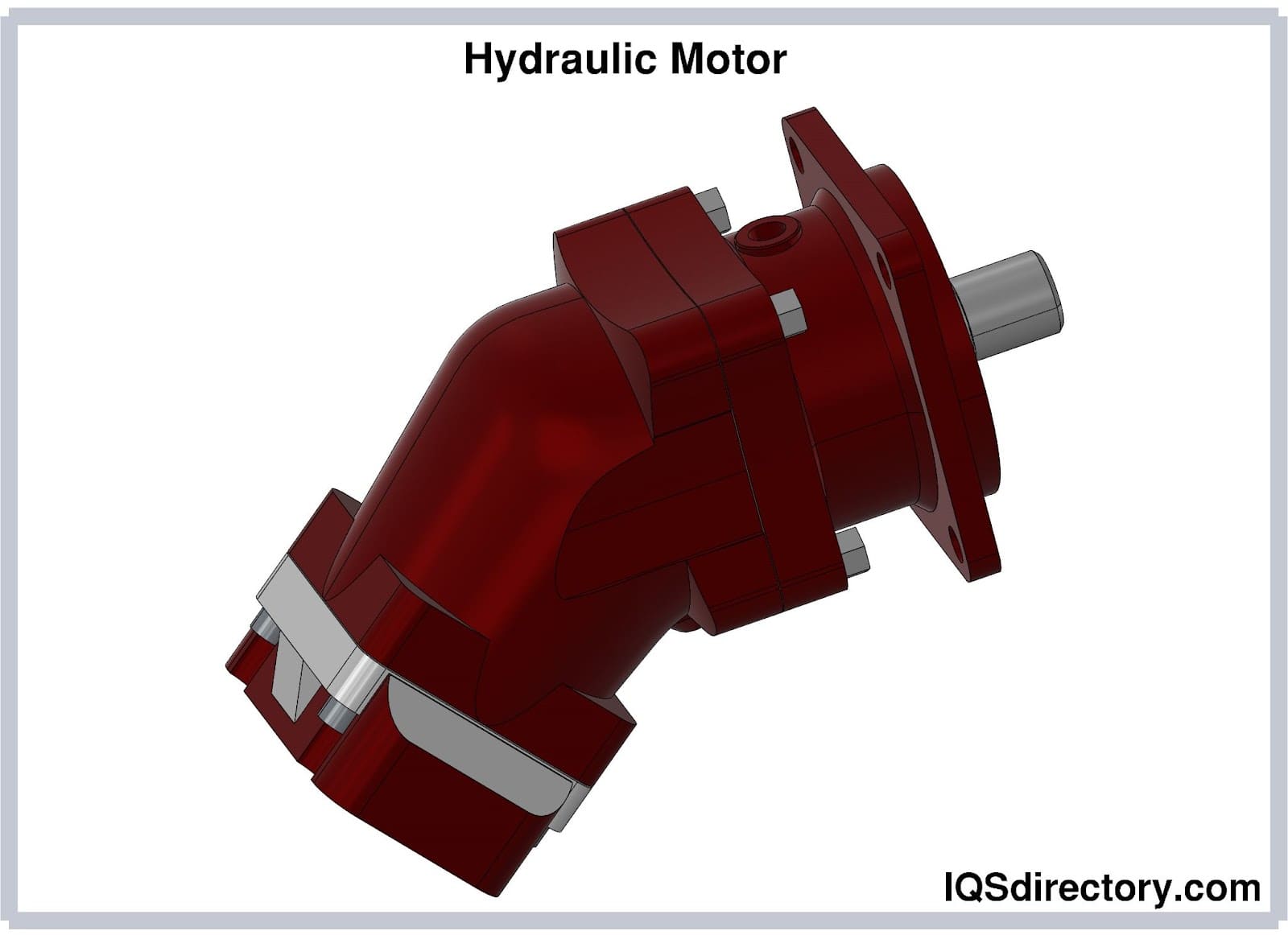
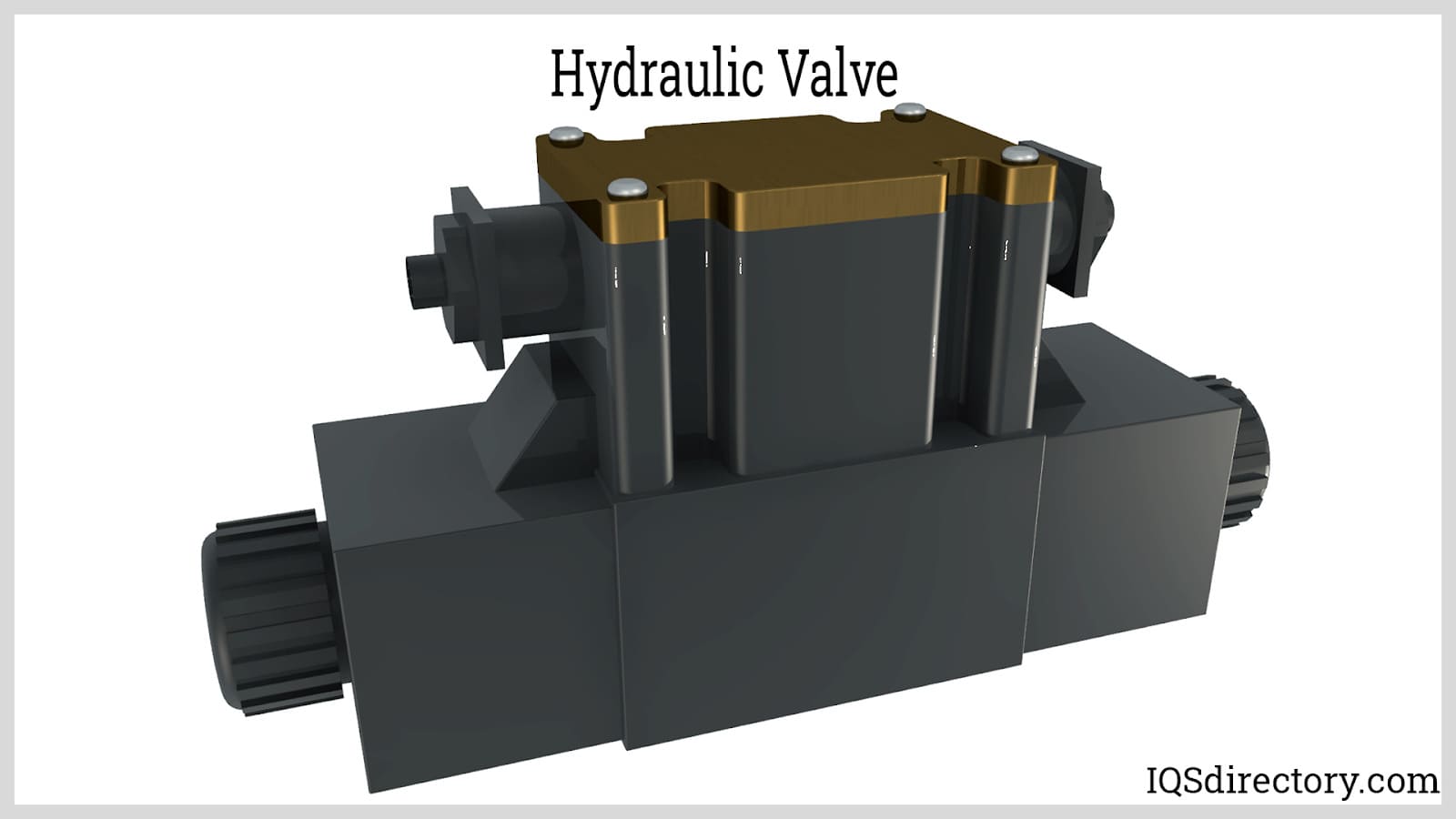
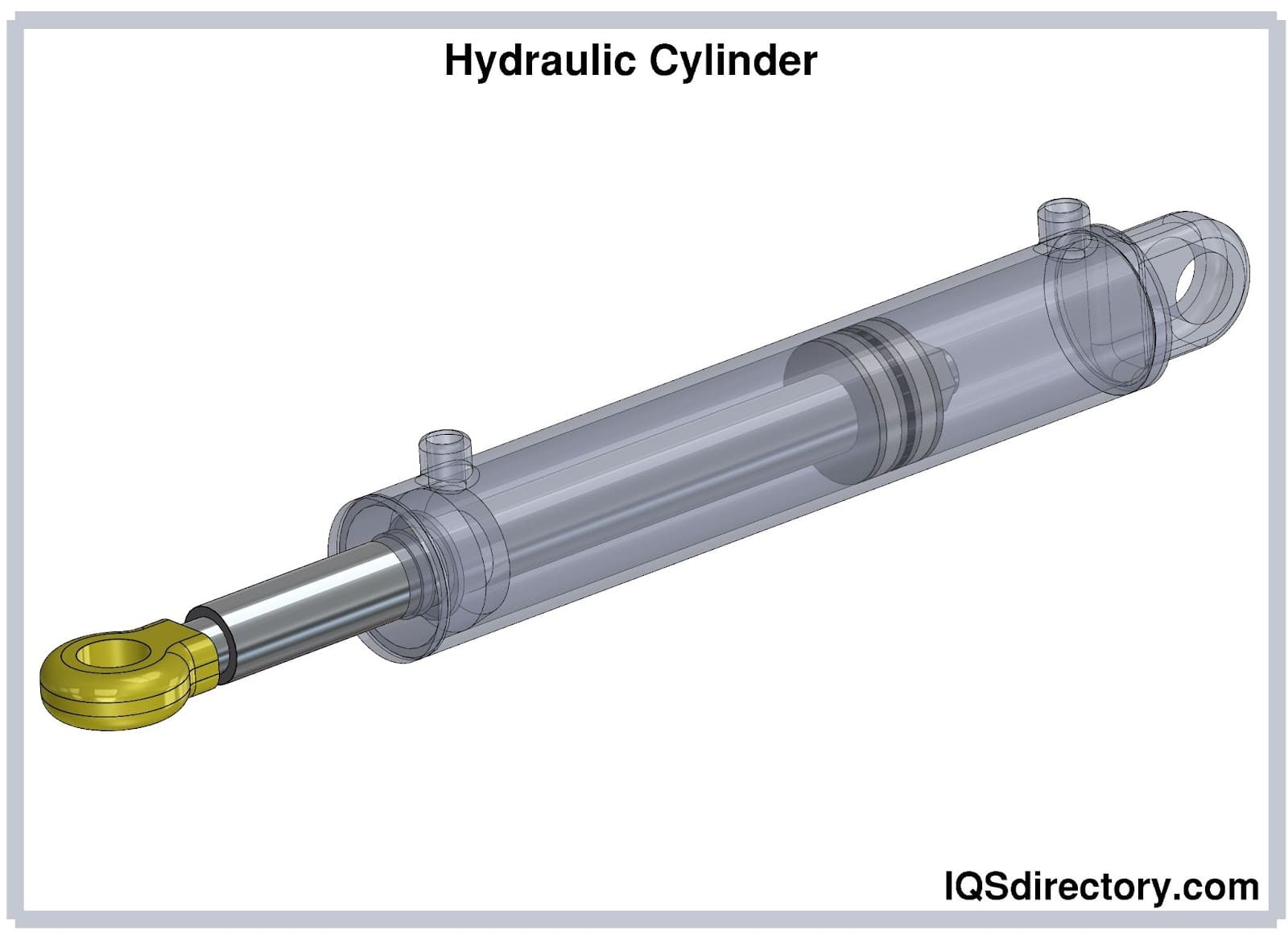
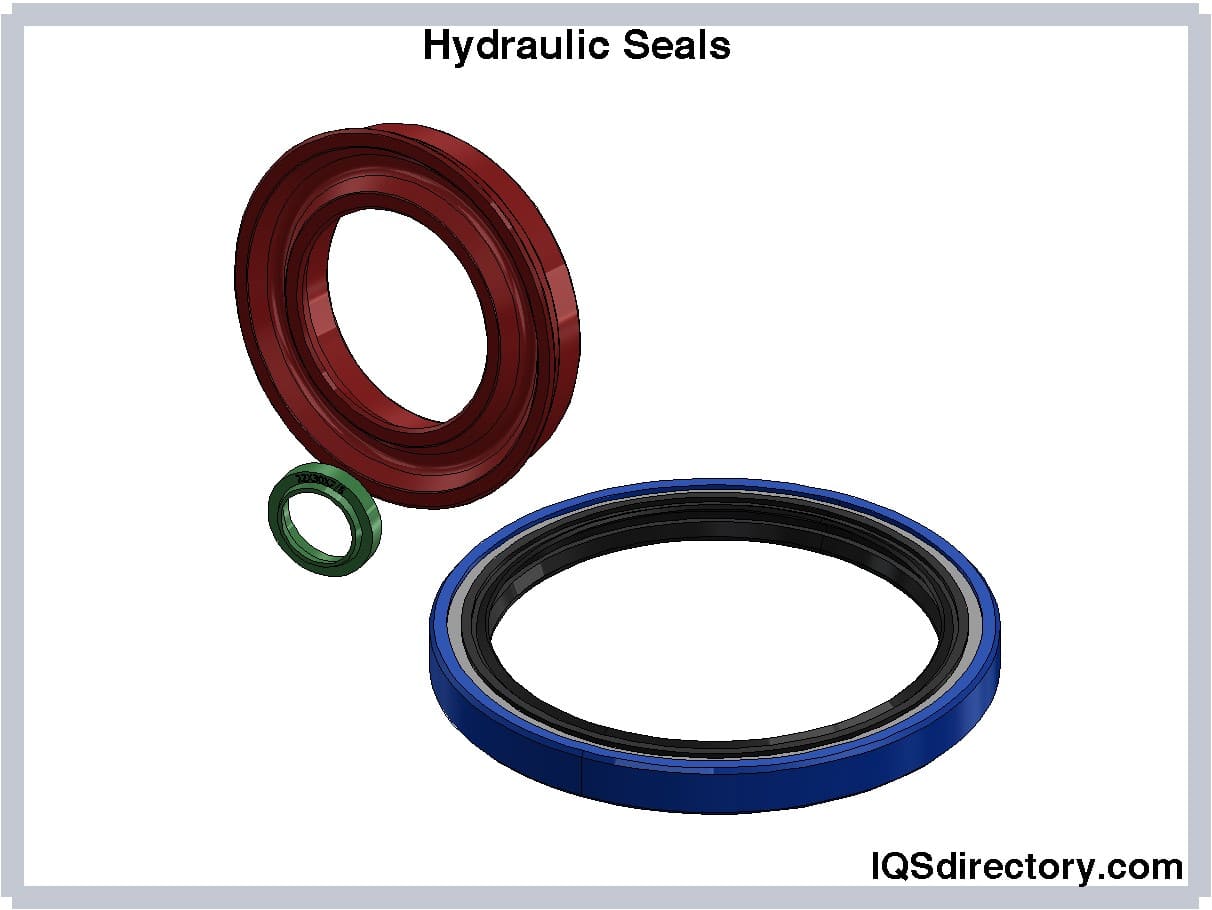
 Hydraulic Cylinders
 Hydraulic Lifts
 Hydraulic Motors
 Hydraulic Presses
 Hydraulic Pumps
 Hydraulic Seals
 Hydraulic Valves
 Castings & Forgings
 Bulk Material Handling
 Electrical & Electronic Components
 Flow Instrumentation
 Hardware
 Material Handling Equipment
 Metal Cutting Services
 Metal Forming Services
 Metal Suppliers
 Motion Control Products
 Plant & Facility Equipment
 Plant & Facility Supplies
 Plastic Molding Processes
 Pumps & Valves
 Recycling Equipment
 Rubber Products & Services